Matching Vegetable and Fruit Cultivars to Your Local Hardiness Zone
Matching vegetable and fruit cultivars to Wisconsin hardiness zones takes more than a map: weigh winter survival, ripening, maturity, and site conditions.
Know when to plant.
Hardiness zones, frost dates, month-by-month garden tasks, planting and harvest times by crop, and when to water.
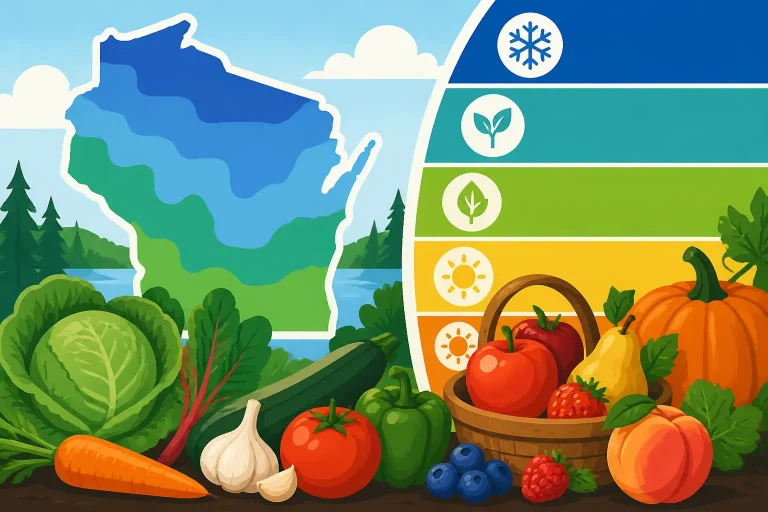
Matching vegetable and fruit cultivars to Wisconsin hardiness zones takes more than a map: weigh winter survival, ripening, maturity, and site conditions.
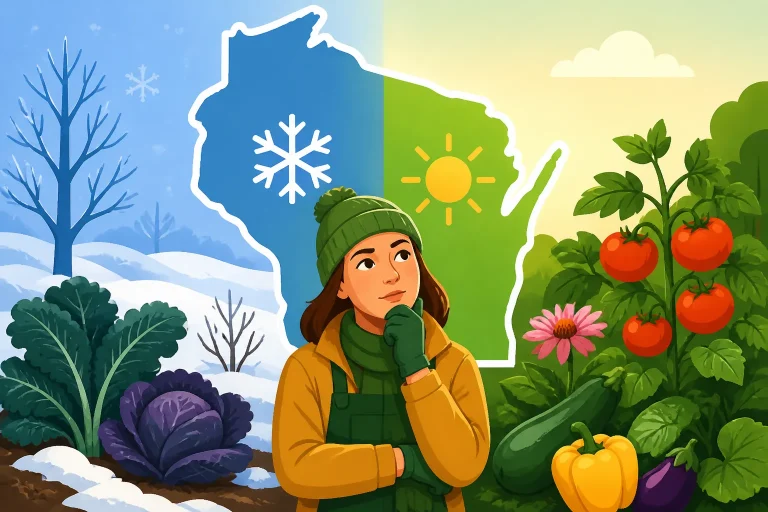
Wisconsin gardeners should treat the hardiness shift as a planning clue, not a mandate to replace plants; match choices to winter lows and yard conditions.
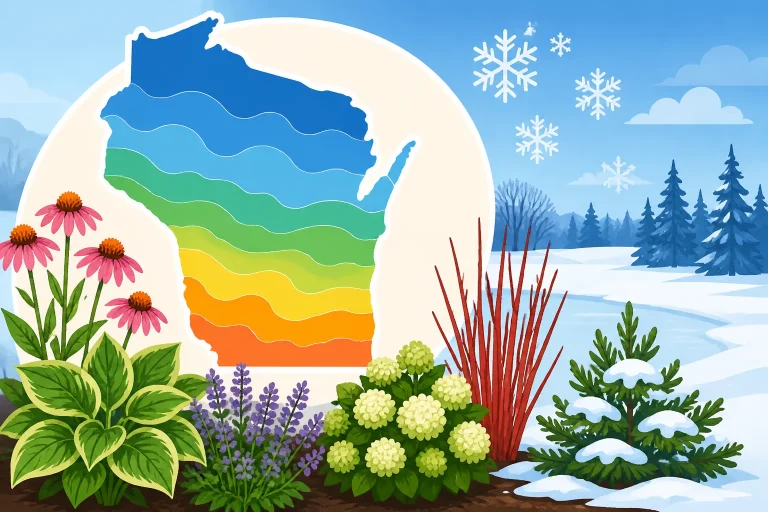
Wisconsin hardiness zones help screen plants for winter cold, but site conditions matter too. Match plant needs to your yard for more reliable results.
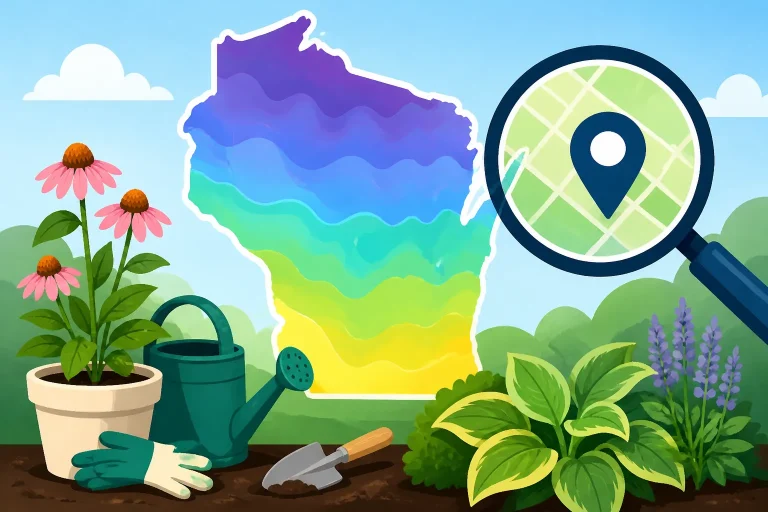
A Wisconsin ZIP code offers a useful starting point for finding a USDA hardiness zone, but local microclimates and frost timing shape planting choices.
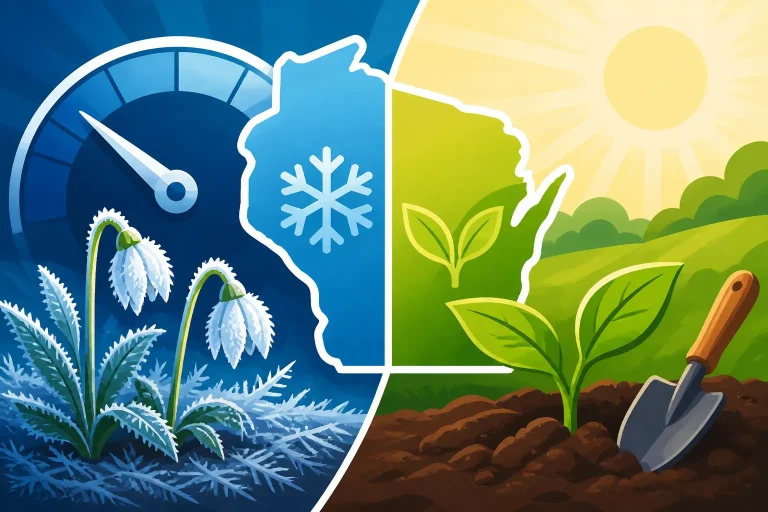
Wisconsin last frost dates are probabilities, not planting guarantees; compare station data with local forecasts, soil, microclimates, and crop tolerance.
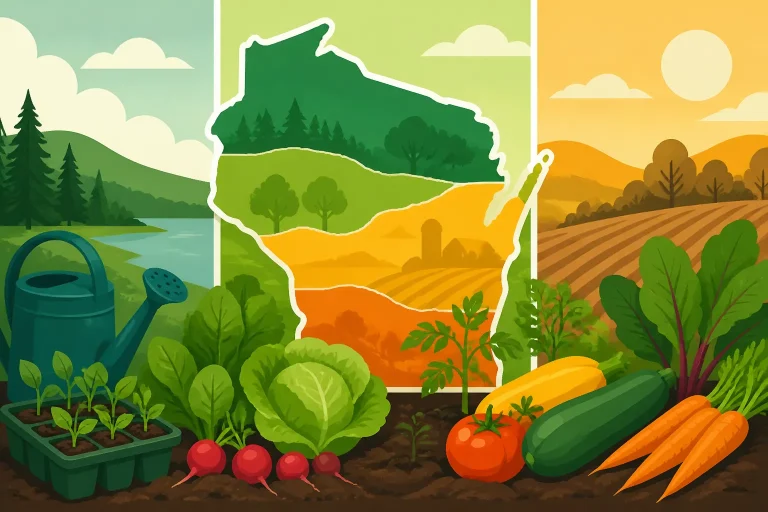
Wisconsin vegetable planting varies by region; use frost risk, soil warmth, and crop type—not one statewide date—to time sowing and harvests.
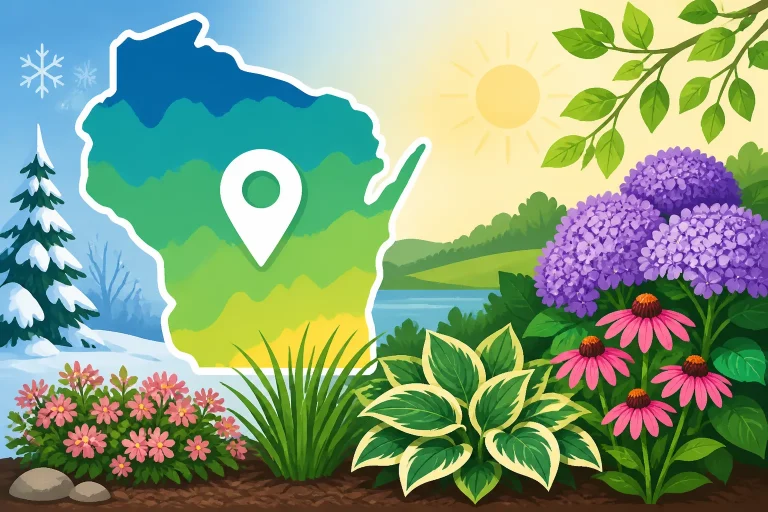
Finding hardy cultivars for your Wisconsin growing zone starts with a ZIP-code map check, then matching winter hardiness, ripening, and site conditions.
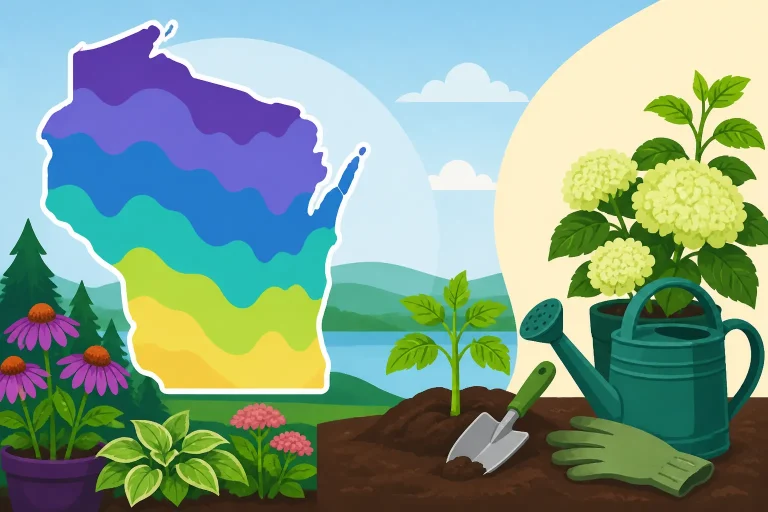
Wisconsin hardiness zones show typical winter cold, not planting dates; use the USDA map with local site conditions, frost forecasts, and planting calendars.